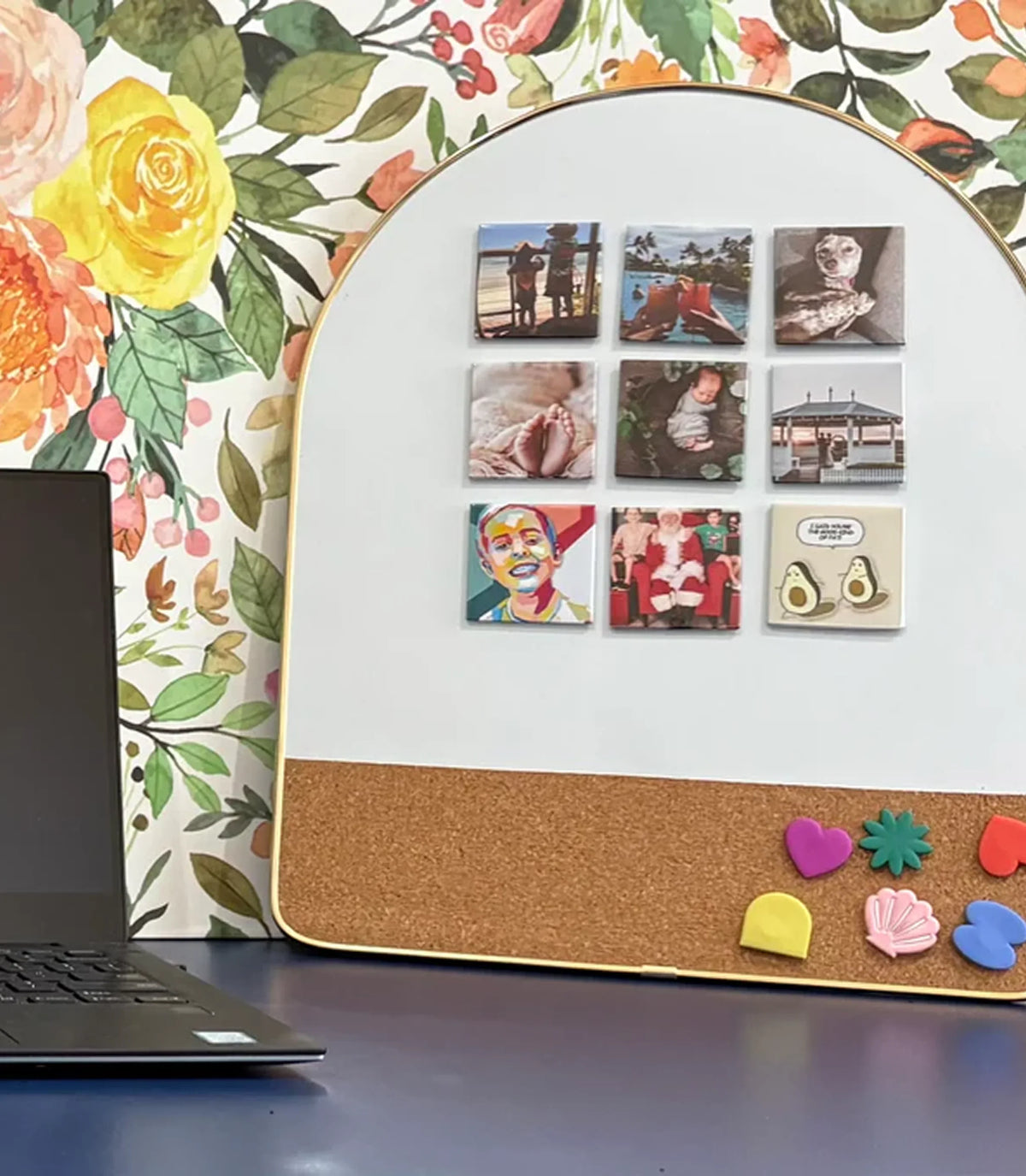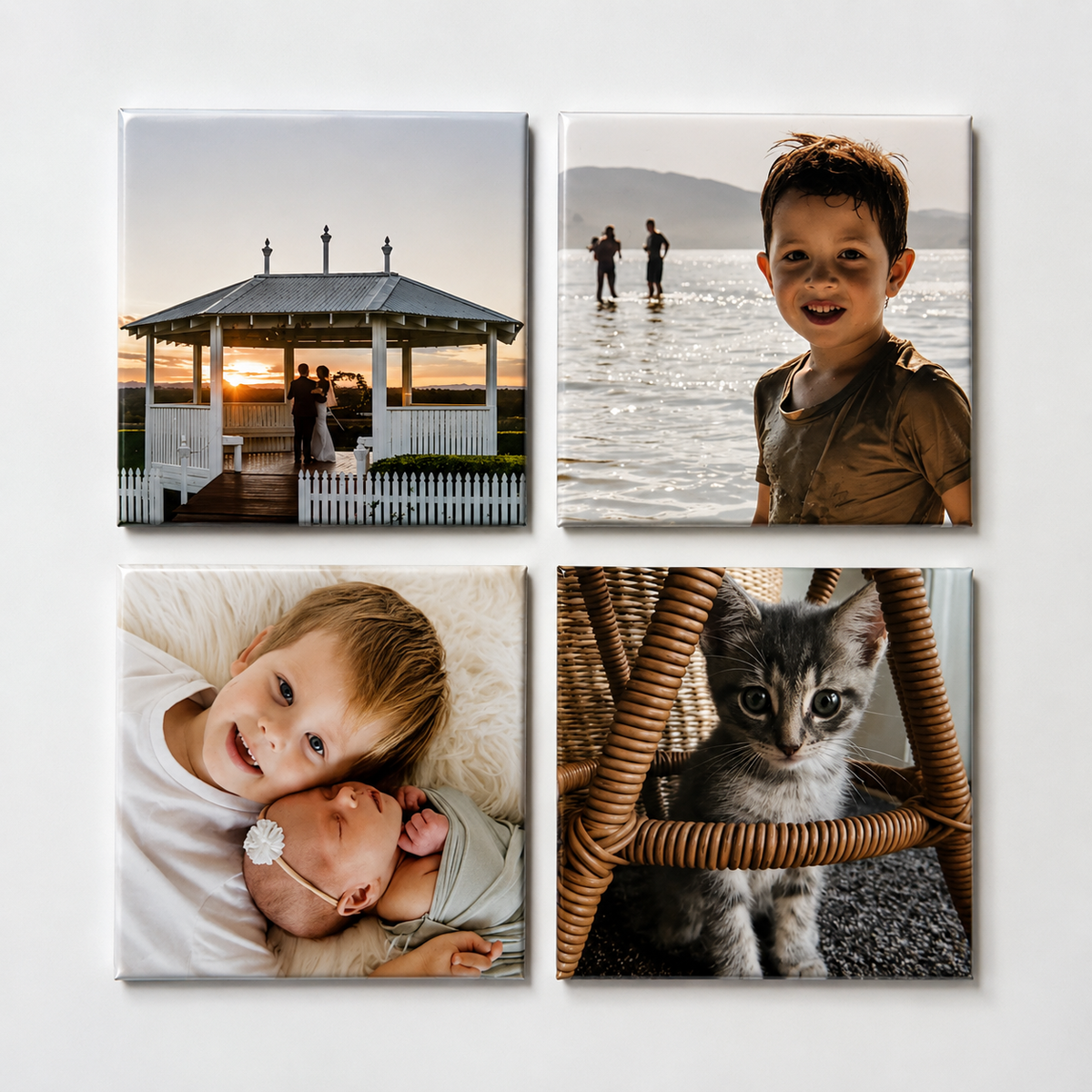
The first day of school photo deserves more than a quick scroll through your mobile. So does the blurry newborn snap, the proud sports-day grin and the family holiday picture where everyone is actually looking at the camera. This family milestone memory display guide will help you bring those moments out of the camera roll and into the everyday spaces where your family sees them.
A good display is not about creating a perfectly styled home. It is about making room for the people and moments that matter, in a format that is easy to update as life changes.
Start with the moments your family will want to revisit
The easiest way to feel overwhelmed is to try to print every good photo you have. Instead, begin with the milestones that tell the story of your family right now. Think of your display as a small, changing collection rather than a complete archive.
For young families, that may mean a birth announcement, first smiles, first steps, birthdays and the first day of kindy or school. As children get older, you might add sporting achievements, school concerts, camping trips, graduations and the funny candid shots that capture their personalities better than a posed portrait ever could.
Include the adults, too. A wedding anniversary, a new home, a hard-earned qualification or a much-loved grandparent's birthday belongs in the story. Children love seeing that family memories existed before they arrived, and grandparents often treasure being visibly included in the daily life of the household.
Choose photos that make you feel something quickly. They do not need to be technically perfect. A slightly grainy photo of your toddler covered in birthday cake can carry far more warmth than a beautifully lit image with no real memory attached.
Choose a display spot that works in real life
The fridge is popular for good reason. It is central, practical and passed by dozens of times a day. A set of photo magnets turns a functional appliance into a living family noticeboard, where a Year 1 school photo can sit beside a holiday snap and next week's footy schedule.
That said, the fridge is not the only option. A magnetic board in a hallway can create a dedicated memory wall without competing with grocery lists. A small metal panel in a home office can keep favourite faces close during long workdays. For grandparents, a compact display near the kitchen table may be more useful than a large framed arrangement in a room they rarely use.
Think about visibility and traffic. The best place is somewhere people naturally pause, not somewhere a display will be hidden behind a door or lost in a formal room. Also consider little hands. If children can reach the photos, they can help rearrange them, which makes the display feel like a family project rather than something too precious to touch.
Create a simple system for your family milestone memory display
A display feels more meaningful when it has a little structure, even if it is relaxed and playful. You might arrange photos chronologically, with the newest memories added at the top or on one side. This works beautifully for a baby's first year, a renovation journey or a growing collection of annual family portraits.
Another option is to group photos by person. Give each child a small area, then place shared family moments through the middle. This helps each family member feel represented, particularly in busy households where one child's activities can accidentally dominate the photo roll.
You can also work by theme. Keep one section for everyday life, another for big celebrations and another for the people who live further away. There is no single right layout. The aim is to make the photos easy to notice and easy to swap, rather than creating a display you are afraid to change.
Pick photos that print clearly at a small size
Small square prints can hold a surprising amount of detail, but a few quick choices make a difference. Choose images where faces are reasonably close to the camera and the main subject is clear. A photo of your child holding a trophy will usually work better than a wide shot of an entire sports field.
Natural light tends to produce lovely results, especially photos taken outdoors or near a window. Dark restaurant shots and heavily zoomed images can still be meaningful, but they may print less sharply. Before you choose, zoom in on the image on your mobile. If faces look blurry there, the finished print will not magically sharpen them.
Cropping is useful when the moment is right but the frame is busy. Remove the empty sky, the stranger in the background or the pile of washing on the couch, then centre the people you want to remember. Keep in mind that square photo formats suit close portraits, pets, birthday faces and candid family shots particularly well.
Balance big milestones with ordinary days
Milestones deserve their place, but the quiet moments are often the ones that bring the biggest smile later. Add the muddy boots after a bushwalk, a sleepy baby on Dad's chest, a homemade cubby house or the family dog waiting by the door. These are the details that can disappear from memory faster than the major events.
A useful rule is to mix one landmark moment with one ordinary-life photo for each person. Your display will feel less like a highlight reel and more like an honest picture of your family. It also takes pressure off photo-taking. You do not need a special occasion to capture something worth keeping.
For families with relatives interstate or overseas, make a space for video-call screenshots, visits and old favourite photos. Seeing familiar faces on the fridge can help children feel connected between catch-ups.
Make it easy to refresh, not hard to maintain
The charm of a memory display is that it can grow with you. Put a reminder in your calendar at the end of each season, after a birthday, or when school holidays wrap up. Spend ten minutes choosing two or three new favourites, then move older photos into a keepsake box or a separate magnetic board.
Avoid replacing everything at once unless you are marking a major event, such as a new baby or a move. Keeping a few familiar images in place gives the display a sense of continuity. Your children may be more attached to certain photos than you realise.
If you are ordering prints, consider choosing enough for both the present and the next few months. Pack-based photo magnets make this practical: you can include a mixture of birthday photos, school moments, family visits and a few candid favourites in one order. Just Magnets prints each set locally in Newcastle on thick, durable magnets made for everyday handling, so they are suited to a display that changes often.
Give milestone displays as gifts people will actually use
A family memory display is especially thoughtful for people who say they do not need anything. New grandparents, parents celebrating a first Mother's Day or Father's Day, and relatives who live far away can all enjoy photos they can see every day.
The best gift selections feel personal rather than overly polished. Include a mix of grandchildren, family gatherings and individual portraits. If you are making a set for a grandparent, choose photos across different ages and occasions so the collection feels like a real slice of family life, not just one photo session.
For a partner, a small set can mark an anniversary, a new baby, a first home or a favourite trip together. The practical part matters here: a meaningful gift does not have to sit in a drawer waiting for the right place. It can go straight on the fridge that same day.
Keep the display warm, not cluttered
There is a trade-off between a full, lively display and one where each photo gets noticed. If magnets begin overlapping or the eye does not know where to land, remove a few and rotate them later. A smaller collection with breathing room often feels more special.
You can keep practical items nearby, such as school notices and appointment cards, but give the photos a defined zone. A simple border of space around them helps transform fridge clutter into something intentional. If your home is visually busy, choose photos with similar colours or place a handful in a neat grid. If your style is more relaxed, let the arrangement build organically over time.
Most importantly, let the display belong to your family. A perfectly coordinated wall is nice, but the photo your child insists on placing upside down may be the one that makes everyone laugh.
The memories worth displaying are not always the biggest ones. Choose the faces, places and funny little moments that make your home feel like yours, then give them a spot where they can be seen while life keeps moving.