The photo of your toddler asleep in the car after a big day out. Your teenager’s first school formal. Nan holding the newest grandbaby. These are the pictures that sit in your mobile for years, mixed in with screenshots, receipts and accidental videos. Family memory keeping is simply about giving those moments a proper place in everyday life, rather than hoping you will find them again when you need them.
It does not have to mean making a perfect scrapbook or spending a whole weekend sorting through thousands of photos. The most meaningful systems are usually the ones that feel easy enough to keep doing. A few printed photos on the fridge, a yearly photo book or a small collection for a grandparent can make family memories feel present, not buried in a camera roll.
Why family memory keeping matters
Most families take more photos than ever, yet see fewer of them. A mobile makes it wonderfully easy to capture the first steps, weekend sport, beach holidays and ordinary Tuesday mornings. But digital photos are often stored in one place, viewed once, then pushed further down by the next hundred images.
Printed photos change that rhythm. They invite a second look while the kettle boils or the kids are grabbing breakfast. They prompt stories: “Remember when we got caught in that rain?” They show children that their life is worth noticing, including the small bits that may not look momentous at the time.
There is no single right way to keep family memories. Some people love a carefully arranged album. Others want a low-fuss display that evolves with the seasons. It depends on your household, your time and what you will genuinely enjoy using. The goal is not to document everything. It is to keep the moments that bring your people back into the room.
Start with the photos you already love
A common mistake is believing you must organise every image before printing a single one. That is a fast way to turn a lovely idea into another job on the list. Start smaller: choose photos that already make you smile when they appear on your screen.
Look through the last three months, a recent holiday or one child’s school year. Pick a mix of the big milestones and the everyday scenes. The family dog with a birthday hat on, muddy footy boots at the front door, cousins piled onto the lounge, a proud grin after swimming lessons. These images often become the favourites because they feel real.
Try choosing photos around one simple prompt, such as:
- this season in our family
- our best weekends lately
- things the kids are into right now
- people we are grateful for
Choose clear images, not flawless ones
For printing, a bright, reasonably sharp photo will usually give you the best result. Natural light near a window or outdoors is often kind to faces. If you are choosing between two similar shots, go for the one where the person’s expression feels most like them.
Do not dismiss a photo because the background is messy or everyone is not looking at the camera. A slightly blurry photo from your child’s dance concert may carry more feeling than a perfectly posed portrait. The memory matters first. Good printing helps it last.
Make memories part of the home
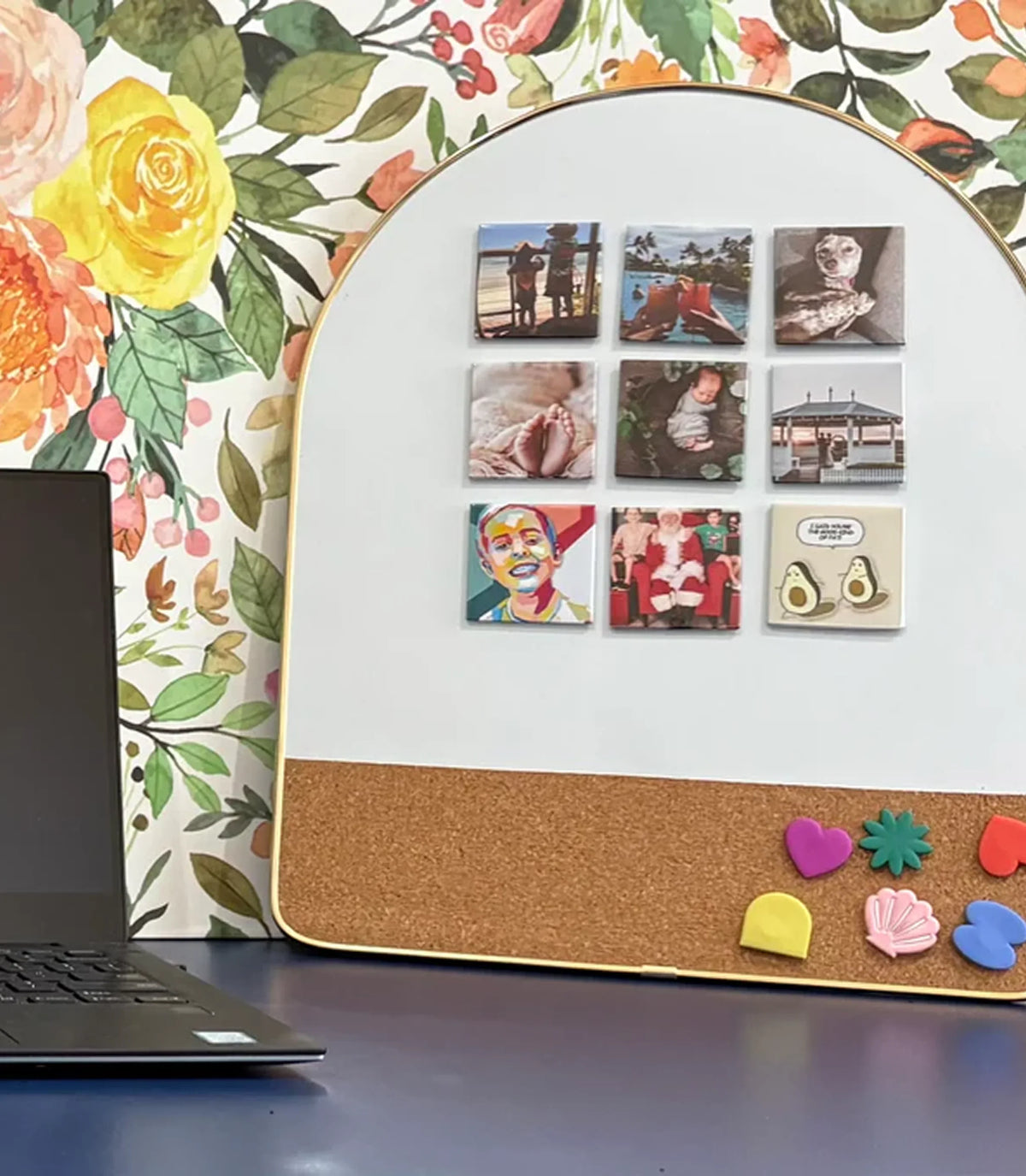
The easiest family memory keeping habits are visible. When photos are tucked in a drawer, they can be precious but forgotten. When they are on the fridge, a magnetic board or another spot everyone passes each day, they become part of the household conversation.
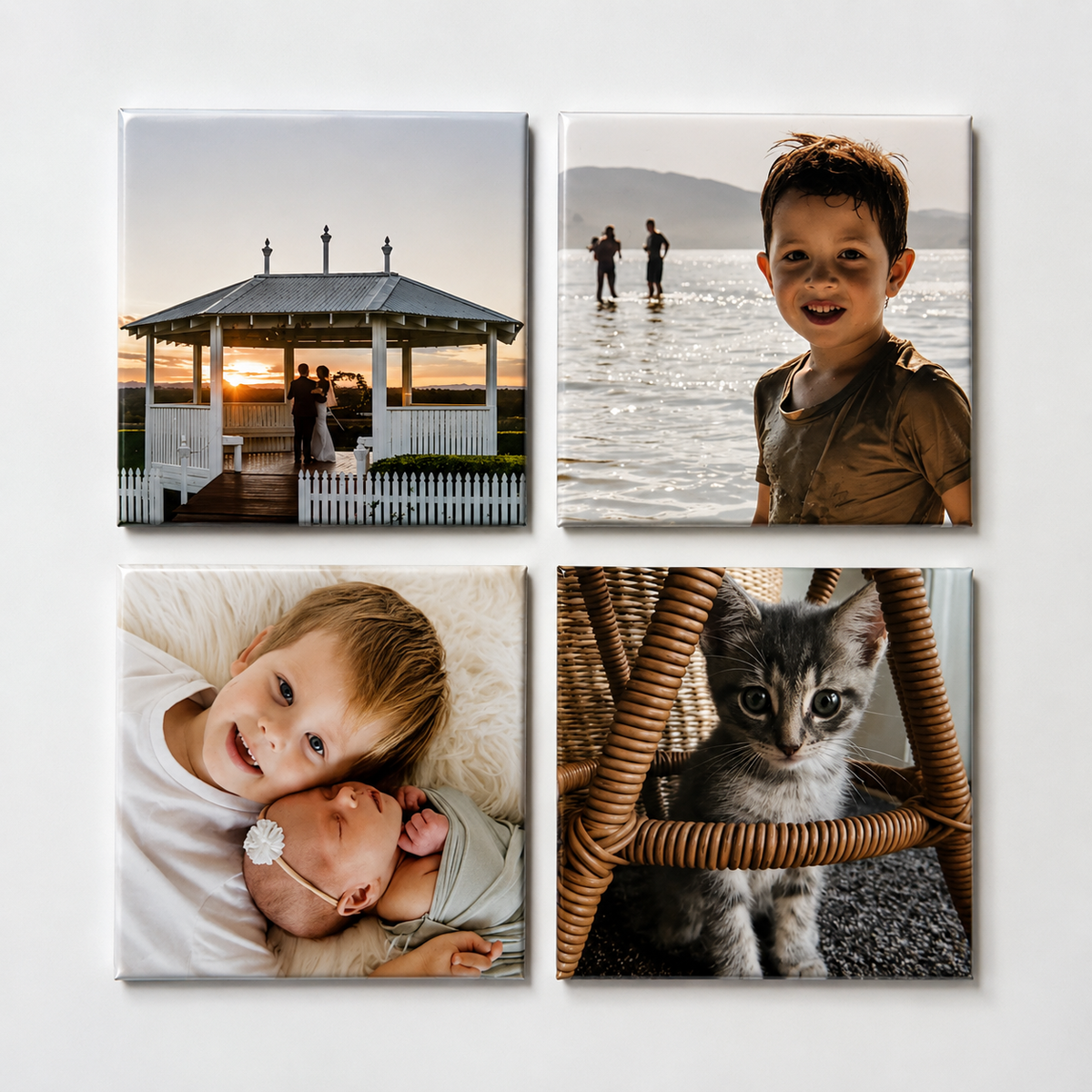
Photo magnets are especially handy for families because they do not demand a permanent decision. You can swap them around after a birthday, add new holiday photos, or let the kids choose a few for their own little section of the fridge. They are also practical in a busy home: no frames to hang, no glass to worry about, and no elaborate styling required.
At Just Magnets, each photo is printed locally in Newcastle as a thick 5 cm by 5 cm magnet, made for the kind of daily display that gets noticed. A set can grow naturally over time, which is often better than trying to create one giant display all at once.
Think of the fridge as a changing family noticeboard, not a showroom. Keep a few photos from this year alongside an old favourite from a family holiday. Add a new baby, a pet, a proud school moment or a silly selfie. The mix is what makes it feel like home.
Give each family season a small ritual
Memory keeping works best when it has a gentle rhythm. Rather than waiting until December and facing a year of photos, choose a few natural checkpoints. You might print a small batch after school holidays, at the end of each season, around birthdays, or before Mother’s Day and Christmas.
A regular ritual also means you are not relying on memory alone. Set aside 15 minutes after a trip to choose your favourites while the details are still fresh. You could make it part of the Sunday night wind-down: everyone picks one photo from the week and says why they liked it. Young kids may choose the most unexpected things, which is part of the joy.
There will be busy stretches when you do nothing with your photos, and that is fine. Family memory keeping should not feel like homework. Even four or five photos printed a few times a year can become a meaningful record.
Keep the story with the picture when it helps
Some pictures need no explanation. Others become more valuable with a little context. If you are making an album, note the date, place or the funny thing someone said. For a fridge display, a small handwritten note nearby can do the same job.
This is particularly worthwhile for photos of older relatives. Write down who is in the image, where it was taken and why the day mattered. Years from now, those details can be the difference between a nice photo and a family story that continues to be told.
Turn photo gifts into shared memories
A personalised photo gift is not just about the person receiving it. It often becomes something the whole family notices and talks about. A set of magnets for a grandparent can include each grandchild, a recent family gathering and a couple of treasured older photos. For a partner, it might be the everyday moments that rarely make it into a frame.
The best gift selections feel specific. Instead of searching for the most polished images, choose the ones that say, “This is us.” That could be a camping weekend, the family ute packed for a beach day, a beloved pet, or a photo from the kitchen after everyone helped make a birthday cake.
For big occasions, order early enough to give yourself breathing room. Personalised gifts feel easy when the photos are already chosen, but they are more enjoyable when you are not making decisions in a last-minute rush. If you are creating several gifts, use the same core group of photos and add a few tailored favourites for each recipient.
Let children be part of it
Children do not need a perfect archive of their childhood. They do benefit from seeing themselves as part of a loved, shared family story. Let them help choose photos, arrange magnets or point out what they remember. Their choices may be wildly different from yours, and that is a good thing.
A child might care more about the photo of their first lost tooth than the beautiful family portrait. They may want a picture of their cubby house, their best mate or their lunchbox on the first day of school. Those details show you what felt important in their world.
If you have more than one child, make space for each of them. It does not need to be equal in a strict sense, but it should feel like everyone belongs on the fridge and in the family record. That small act of attention carries weight.
Protect the habit from perfectionism
The pressure to create something beautiful enough to share can quietly spoil memory keeping. Your home does not need to look styled. Your photos do not need matching outfits, ideal lighting or a carefully planned theme. A collection with different colours, ages and occasions often has more warmth than a display that is too polished.
It is also worth accepting that not every photo needs to be kept. Curating is an act of care. Choose the images that make you pause, laugh, feel proud or remember a person’s voice. Let the duplicates and near-identical shots stay on your mobile if that is where they belong.
The best family memory keeping system is the one you can return to after a hectic month, a new baby, a move, or a season when life has been full. Print a few photos. Put them where you will see them. Let the people in your home tell you which ones matter most. Years later, you will be glad those ordinary, wonderful moments were never far from reach.